
The Transformation of Agriculture: From Ancient Practices to Modern Innovations
By Quentin Flores · · 5 min read
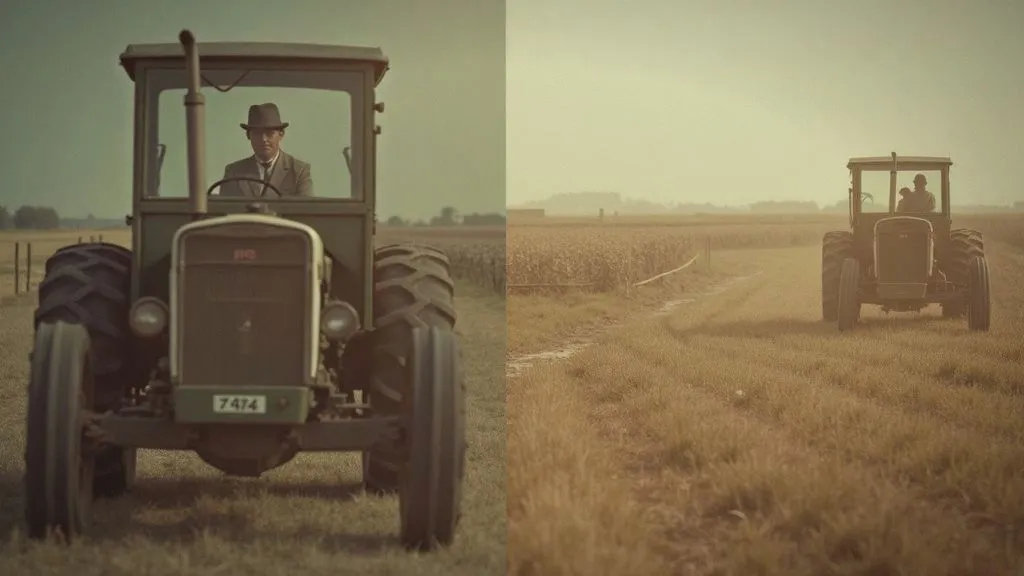
Agriculture has been a cornerstone of human civilization since its inception, fundamentally altering our societies, economies, and environments. The history of agriculture is a narrative of innovation, adaptability, and resilience. It stretches back thousands of years, leading to the intricate systems we depend on today. Understanding this history offers insights into how agricultural practices have evolved and the challenges we face in the future.
Ancient Beginnings: The Dawn of Agriculture
The shift from nomadic hunter-gatherer societies to settled agricultural communities marks one of the most significant transformations in human history. This pivotal change, known as the Neolithic Revolution, occurred around 10,000 BCE in the Fertile Crescent—a region encompassing modern-day Iraq, Syria, Lebanon, Israel, and Jordan. Evidence suggests that early humans began to domesticate wild grains and animals, fundamentally altering their lifestyle and social structures.
Key Developments during the Neolithic Era
-
Domestication of Plants: Early farmers cultivated staple crops such as wheat, barley, and lentils. Archaeological findings indicate that these practices began in the Fertile Crescent before spreading to other regions like East Asia and the Americas.
-
Animal Husbandry: Alongside plants, domestication of animals such as sheep, goats, and cattle occurred. These animals provided not just meat but also milk, wool, and labor, enhancing agricultural productivity.
-
Settlement Growth: With the advent of agriculture, humans settled in one place, leading to the establishment of villages and, eventually, cities. This settlement allowed for the development of trade, governance, and culture.
Classical Agriculture: Techniques and Innovations
As societies evolved, so did agricultural practices. From the ancient Egyptians and their irrigation techniques along the Nile to the terraced farming of the Inca, civilizations adapted to their environments. By around 500 BCE, the Greeks and Romans were employing crop rotation and selective breeding, laying the groundwork for modern agricultural methods.
Notable Agricultural Practices
-
Irrigation Systems: Ancient Egyptians constructed canals to divert water from the Nile, ensuring reliable crop yields despite seasonal floods. This innovation supported the civilization’s population and economy.
-
Crop Rotation: The Greeks advanced the concept of rotating crops to maintain soil fertility. This practice prevented nutrient depletion and reduced fallow periods, optimizing land use.
-
Selective Breeding: Romans refined animal husbandry through selective breeding, improving livestock quality and productivity. This method set precedents for modern genetic practices in agriculture.
The Middle Ages: A Turning Point
The Middle Ages, particularly in Europe, saw both stagnation and innovation in agricultural practices. Despite challenges such as the Black Death and feudal conflicts, this period also introduced significant advancements.
The Three-Field System
One of the significant innovations was the three-field system, which divided arable land into three parts: one for autumn crops, one for spring crops, and one left fallow. This system dramatically improved yield and soil fertility, allowing populations to recover and grow. By the 10th century, this practice spread across Europe, contributing to increased food production.
The Agricultural Revolution: The 18th Century
The 18th century marked a significant turning point with the onset of the Agricultural Revolution in Britain, which would lay the groundwork for the Industrial Revolution. Landowners began to adopt scientific methods and machinery, leading to unparalleled productivity.
Key Innovations
-
Seed Drill: Invented by Jethro Tull in 1701, the seed drill allowed for precise planting, increasing the efficiency of seed use. This innovation reduced waste and ensured better crop yields.
-
Selective Breeding: Robert Bakewell popularized selective breeding techniques, especially for sheep, resulting in stronger and larger animals. This focus on breeding led to increased meat and wool production.
-
Crop Mixing: The introduction of clover and turnips as fodder crops helped alleviate the need for fallow land, as they enriched the soil while providing feed for livestock.
The Industrial Revolution: Mechanization and Change
With the onset of the Industrial Revolution in the late 18th century, agriculture underwent a profound transformation. Mechanization altered traditional practices, increasing efficiency and output while drastically changing rural societies.
Mechanization Impact
-
Tractors and Machinery: The introduction of tractors and mechanized harvesters revolutionized farming, enabling farmers to cultivate larger areas more efficiently. According to the U.S. Department of Agriculture, tractor use increased from 8% in 1900 to 75% by 1950 on American farms.
-
Chemical Farming: The late 19th and early 20th centuries also saw the adoption of synthetic fertilizers and pesticides. This shift allowed for increased productivity but also raised concerns regarding environmental sustainability and health impacts.
The Green Revolution: A Global Shift
The mid-20th century ushered in the Green Revolution, a period characterized by technological advancements aimed at increasing global food production. This movement was particularly significant in developing countries struggling with poverty and famine.
Key Features of the Green Revolution
-
High-Yield Varieties (HYVs): Scientists developed HYVs of staple crops, particularly rice and wheat, which significantly increased yields. For instance, IR8, a rice variety developed in the 1960s, yielded up to ten tons per hectare compared to traditional varieties.
-
Modern Agricultural Practices: The introduction of advanced irrigation techniques, synthetic fertilizers, and pesticides allowed for intensive farming. Countries like India saw dramatic increases in food production, enabling them to achieve self-sufficiency.
-
Technological Integration: The Green Revolution also fostered the integration of technology in agriculture, with machinery and genetically modified organisms (GMOs) becoming prevalent. This period laid the groundwork for biotechnology in farming.
Current Trends: Sustainable Agriculture
Today, the history of agriculture continues to evolve as societies grapple with environmental concerns, climate change, and food security. There is a growing recognition of the need for sustainable practices that balance productivity with ecological stewardship.
Sustainable Practices
-
Organic Farming: This method emphasizes biodiversity, soil health, and non-toxic pest control. According to the USDA, organic farming has increased by over 300% since the late 1990s, reflecting consumer demand for healthier food options.
-
Agroecology: An emerging approach that integrates ecological principles into agricultural practices, agroecology promotes sustainability while enhancing food production. It emphasizes local knowledge and community involvement.
-
Precision Agriculture: Technology now plays a vital role, with farmers using data analytics, drones, and soil sensors to optimize resources. This technology-driven approach aims to minimize waste and enhance efficiency.
Conclusion: The Agriculture of Tomorrow
The history of agriculture is rich and complex, marked by innovations that have shaped human civilization. As we navigate the future, it is crucial to learn from the past while embracing sustainable practices that ensure food security for generations to come. The interplay between technology, climate change, and societal needs will profoundly influence the agricultural landscape, reminding us that agriculture is not just about food production; it is a reflection of our values, culture, and commitment to the planet.
In the quest for sustainability, the lessons drawn from history will guide us toward developing resilient food systems capable of addressing the challenges ahead. As we look forward, the agriculture of tomorrow must be rooted in the rich heritage of our agricultural past while innovating for a sustainable and equitable future.