




Editorial
Understanding Agriculture History Today
The landscape of agriculture is constantly evolving, influenced by historical practices and modern innovations.
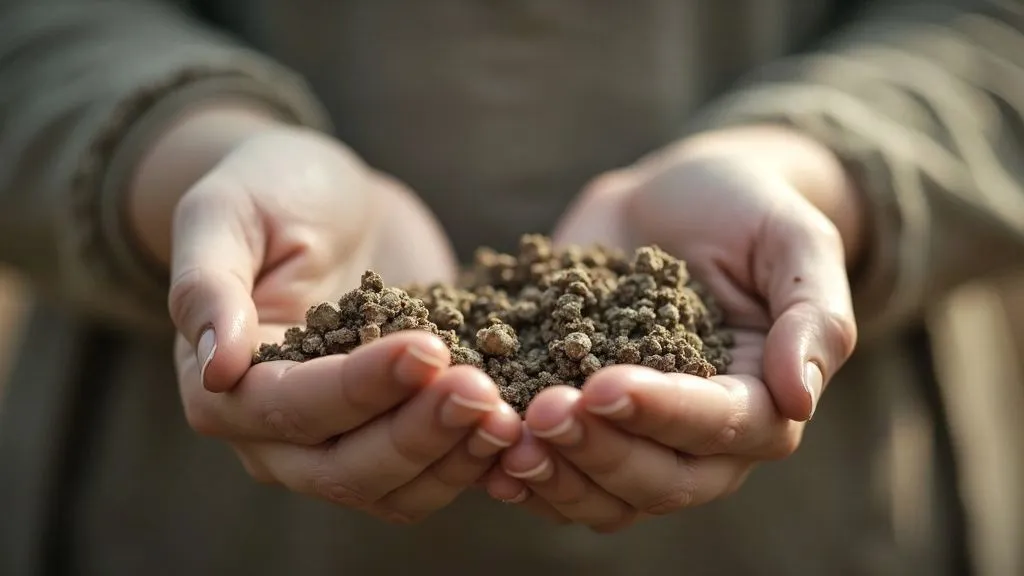
Agriculture history reflects humanity's relationship with the land, encompassing over 10,000 years of cultivation and innovation. Today, as we face global challenges like climate change and food security, understanding these historical contexts is crucial. The past informs present practices, and recognizing shifts in farming techniques can guide future developments.
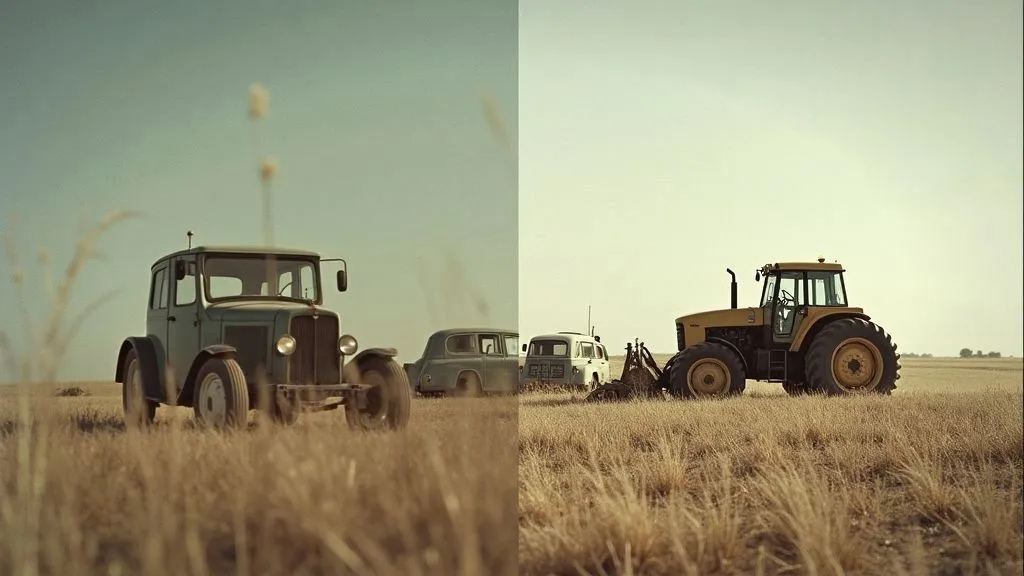
One significant debate centers on the balance between traditional methods and modern technology. While innovations in genetics and machinery have revolutionized production, they raise concerns about sustainability and biodiversity. Agri History aims to illuminate these tensions, fostering a deeper understanding of how past practices can inform contemporary solutions.
For readers, the implications are profound. Engaging with agriculture history can inspire informed choices about food, farming, and environmental stewardship. As history repeats itself, watch for trends that mirror past discourses, such as local versus global food movements.
Our publication prioritizes integrity and transparency, meticulously sourcing information from credible experts and historical documents. We embrace a narrative that honors the voices of those who have historically been marginalized in agricultural discussions, ensuring a well-rounded perspective on the issues.
Looking ahead, we invite readers to join us in exploring the future of agriculture, where the lessons of the past can help shape sustainable practices. Stay connected with Agri History as we delve deeper into the stories that define our agricultural landscape.