
The Evolution of Agriculture: From Ancient Practices to Modern Techniques
By Quentin Flores · · 6 min read
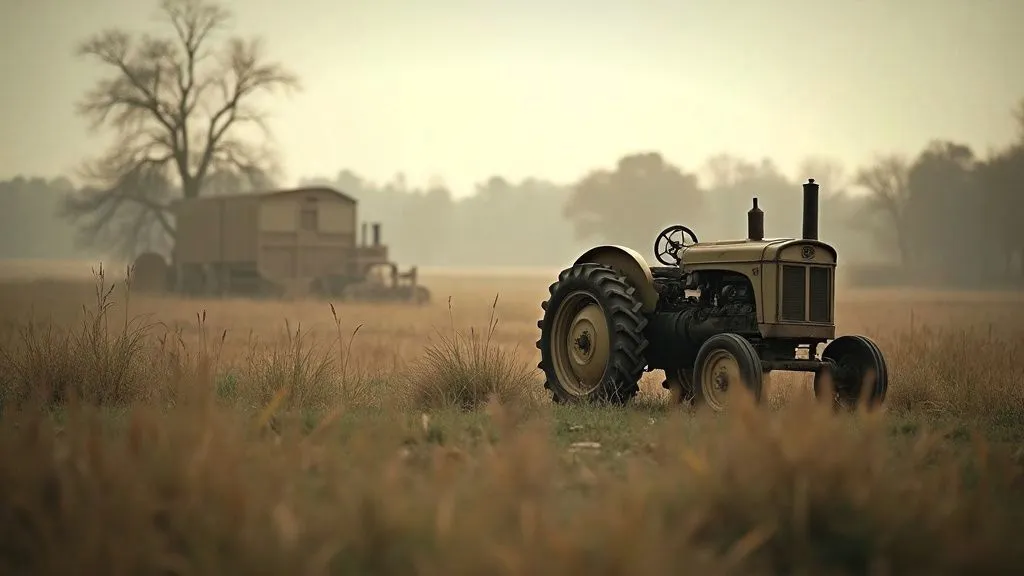
The evolution of agriculture is a fascinating journey that has shaped human civilization and the planet itself. From the rudimentary farming techniques of our ancestors to the high-tech methods employed today, agriculture has transformed significantly over millennia. Understanding this evolution not only sheds light on our past but also prepares us for the pressing challenges and innovations of the future.
Ancient Agricultural Practices
The first evidence of agriculture dates back approximately 12,000 years ago during the Neolithic Revolution. This pivotal period marked humanity’s transition from nomadic hunter-gatherers to settled agricultural societies. Archaeological findings suggest that the earliest forms of agriculture began in the Fertile Crescent, a region encompassing parts of modern-day Iraq, Syria, Lebanon, Israel, and Jordan.
Key Developments:
- Domestication of Plants: Wheat and barley were among the first crops cultivated, allowing early humans to establish permanent settlements.
- Animal Domestication: Livestock like sheep, goats, and cattle were domesticated for food, labor, and companionship, fundamentally changing human diets and lifestyles.
- Irrigation Systems: Early civilizations developed rudimentary irrigation methods to enhance crop production, which required complex societal organization.
This shift to farming allowed for population growth and the development of complex societies. The establishment of agriculture encouraged trade, social structures, and the eventual rise of cities and governments.
Agricultural Techniques in Ancient Civilizations
As agricultural practices evolved, different civilizations developed unique techniques suited to their environments. The Egyptians, for instance, relied heavily on the annual flooding of the Nile River to fertilize their crops through natural silt deposits.
Notable Techniques:
- Crop Rotation: Practiced by ancient Romans, this technique involved alternating the types of crops grown in a particular field to maintain soil fertility.
- Terracing: Used by the Incas, this method of constructing stepped fields on hilly terrain helped prevent soil erosion and maximized arable land.
- Slash-and-Burn Agriculture: Employed by various cultures, this method involved clearing forests for agriculture by cutting and burning trees, which soon led to the depletion of nutrients in the soil.
Agricultural Revolution: The Middle Ages to the Early Modern Period
The evolution of agriculture did not cease with the Neolithic Revolution. Between the Middle Ages and the Early Modern Period, further innovations played a vital role in agricultural productivity.
Technological Advances:
- The Plow: The heavy iron plow, developed in the Middle Ages, allowed for deeper tilling of the soil, enhancing productivity.
- Three-Field System: This crop rotation system improved yields by allowing one field to lie fallow while the others were cultivated.
- Selective Breeding: Early farmers began to selectively breed plants and animals for desirable traits, laying the groundwork for modern genetics.
During this period, agriculture began transitioning from subsistence farming to more market-oriented practices. This shift allowed for trade networks to expand significantly, supported by improved transport systems, such as roads and canals.
The Industrial Revolution and Its Impact on Agriculture
The Industrial Revolution in the 18th and 19th centuries brought about profound changes to agriculture. The mechanization of farming—starting with innovations such as the seed drill invented by Jethro Tull—marked the beginning of agricultural modernization.
Key Changes:
- Mechanization: Tractors and combine harvesters significantly reduced the labor required for farming, allowing larger areas to be cultivated more efficiently.
- Chemical Fertilizers: The development of synthetic fertilizers revolutionized soil management and increased crop yields dramatically. For instance, the use of nitrogen, phosphorus, and potassium boosted agricultural output globally.
- Transportation Improvements: Railways and steamships facilitated the rapid transport of agricultural goods, opening new markets and fostering globalization.
As a result, the agricultural landscape transformed dramatically. By the late 19th century, the United States emerged as one of the leading agricultural producers in the world, with states like Iowa and Illinois becoming the heart of corn and soybean production.
The Green Revolution: Feeding the World
The mid-20th century saw the advent of the Green Revolution, which aimed to address global food shortages through advanced agricultural practices.
Major Innovations:
- High-Yield Variety (HYV) Seeds: Scientists developed genetically engineered crops, such as wheat and rice, that could produce significantly more grain per plant.
- Pesticides and Herbicides: The introduction of synthetic chemicals helped control pests and weeds, leading to higher crop yields.
- Irrigation Expansion: Investments in irrigation systems allowed farmers to cultivate previously barren lands, increasing total agricultural output.
The Green Revolution led to impressive increases in food production, particularly in developing countries. For example, between 1961 and 2018, global cereal production nearly tripled, from 870 million tons to over 2.7 billion tons.
Despite these advances, the Green Revolution also sparked debates over environmental sustainability, health risks from chemical usage, and social inequality among farmers. Critics argued that the benefits were not shared equally, leading to increased disparities within agricultural communities.
Modern Agriculture: Challenges and Innovations
The evolution of agriculture has entered a new phase driven by technology and sustainability concerns. Today, the focus is on improving productivity while minimizing environmental impact.
Current Trends:
-
Precision Farming: Utilizing GPS and data analytics, farmers can apply water, fertilizers, and pesticides more precisely, optimizing resource use and reducing waste. This approach can lead to a 10-20% increase in yield and a significant decrease in chemical use.
-
Genomic Advancements: Gene editing tools like CRISPR are enabling scientists to develop crops that are more resilient to pests, diseases, and climate extremes. For instance, researchers have successfully created drought-resistant varieties of corn, which could be vital in arid regions.
-
Sustainable Practices: Organic farming, agroecology, and permaculture are gaining popularity as alternatives to conventional farming. These practices prioritize ecological health and promote biodiversity, aiming to create a more resilient agricultural system.
Expert Perspectives on the Future of Agriculture
Leading experts in agricultural science emphasize the need for a paradigm shift to ensure food security for a growing global population projected to reach 10 billion by 2050.
Dr. James R. W. Smith, a renowned agricultural economist, argues that “the future of farming lies in innovation and sustainability. We must balance productivity with environmental stewardship.” His research focuses on developing sustainable practices that meet the needs of farmers while protecting natural resources.
Dr. Clara V. Johnson, an agronomist specializing in soil health, highlights, “Healthy soils are the foundation for sustainable agriculture. We need to invest in soil health to boost yields and minimize the environmental impact.”
Conclusion: The Ongoing Journey of Agricultural Evolution
The evolution of agriculture is an ongoing journey marked by innovation, adaptation, and resilience. As society grapples with the challenges of climate change, population growth, and resource scarcity, the historical lessons of agriculture provide valuable insights for future practices.
Through embracing technology, prioritizing sustainability, and fostering community engagement, the agricultural landscape can continue to evolve in a positive direction. The story of agriculture is not merely a tale of crop yields and harvests; it is a testament to human ingenuity and our enduring relationship with the land.
As we look to the future, the evolution of agriculture will undoubtedly continue to shape our world, providing not just for our needs but also serving as a crucial component of our global ecosystem. Understanding this history allows us to appreciate the complexities of farming and the vital role it plays in sustaining life on Earth.
By learning from past successes and challenges, we can cultivate a future where agriculture thrives in harmony with nature, ensuring food security and environmental health for generations to come.